Bunk Bed Safety Rails: Height Above Mattress, Gaps and Placement
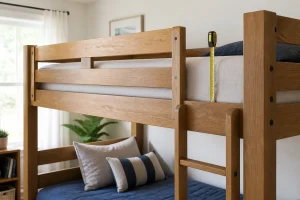
Check bunk bed guardrails using the actual mattress: at least 5 inches above the top surface, both sides guarded, and no unsafe gaps or substitutions.
we help you choose the right bunk bed!
Check bunk bed guardrails using the actual mattress: at least 5 inches above the top surface, both sides guarded, and no unsafe gaps or substitutions.

Measure bunk bed stair width, tread depth, riser height, landing space and upper entry. Learn which numbers must come from the exact bed design.
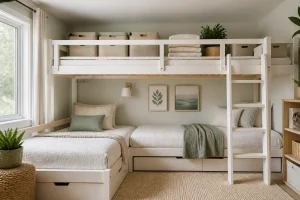
Unused top bunk? Check whether your manufacturer permits storage, then compare lightweight ideas, prohibited loads, guardrail access and floor-level alternatives.
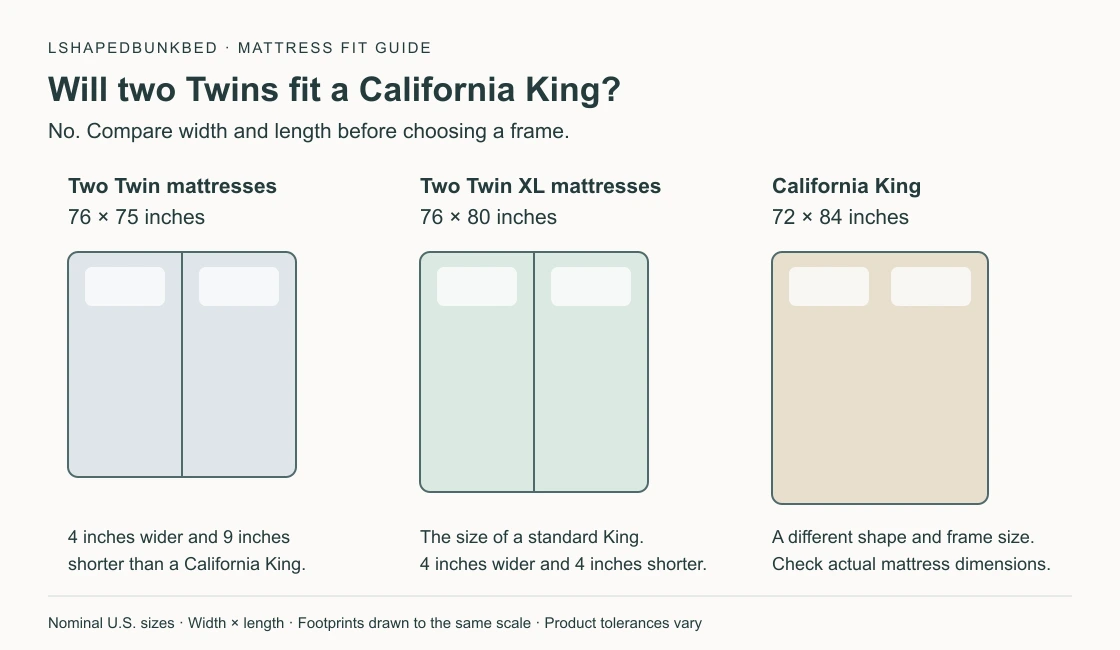
Two regular twins make 76 × 75 inches; two Twin XL mattresses make a 76 × 80 king, not a 72 × 84 California king. Compare the fit before buying.
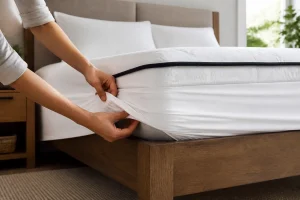
Change fitted sheets on a heavy or recessed mattress with less lifting. Follow corner-by-corner steps, measure pocket depth, and know when to get help.

Assemble a metal loft bed with checks for hardware, frame stability, guardrails, ladder placement, weight limits, mattress fit, and room clearance.
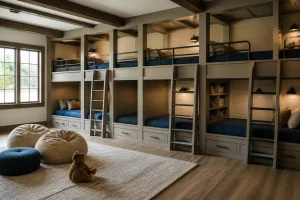
Learn what oversized bunk beds require: structural support, guardrails, ladder access, mattress limits, room clearance, and safer design checks.
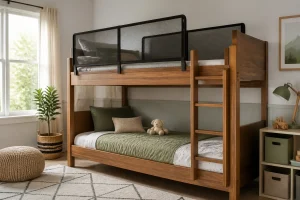
Evaluate DIY bunk bed safety nets by checking attachment points, mesh strength, openings, guardrail height, ladder access, and the bed manual.

Choose RV bunk mattress cut-corner sheets by checking exact dimensions, corner shape, pocket depth, fabric, washing, and secure fit.
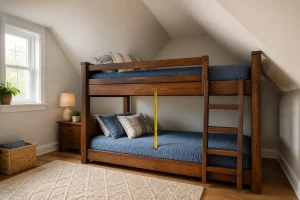
Fit a bunk bed under a sloped ceiling by measuring headroom, mattress thickness, guardrail clearance, ladder access, and the safest layout.