Disclosure: This site may earn a commission if you buy through links on this page or elsewhere on the site. Always check the manufacturer instructions and current safety guidance before buying, building, modifying, or using bunk beds, loft beds, mattresses, ladders, stairs, guardrails, or room accessories.
Bunk beds can be a smart way to save floor space, but they also need careful planning. Before you choose a frame, check ceiling height, ladder placement, mattress thickness, and the weight limits listed by the manufacturer. Those basics matter more than any style trend or funny internet take.
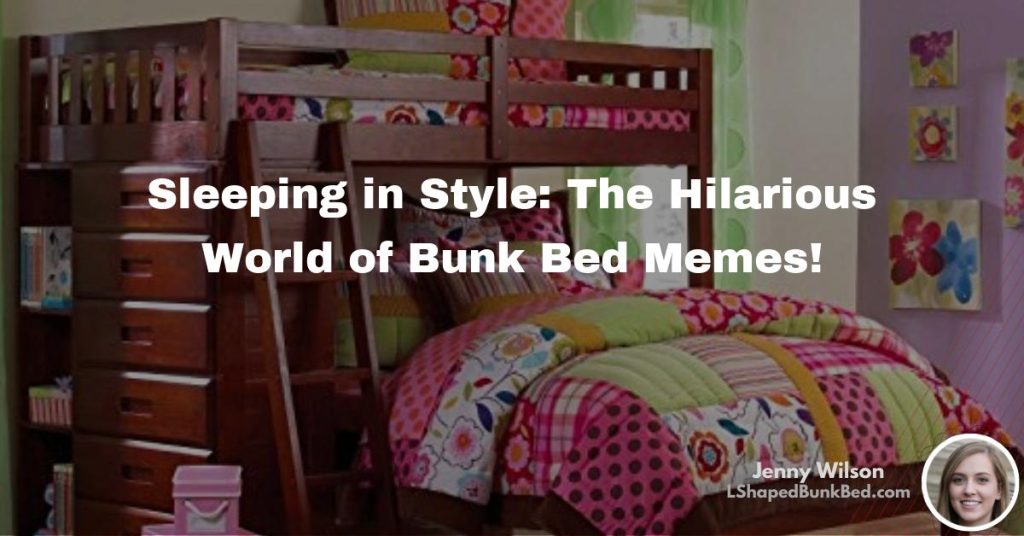
The Hilarious World of Bunk Bed Memes works because so many people recognize the same shared experiences: the race for the top bunk, the awkward climb, the cramped ceiling clearance, and the constant negotiation over personal space. This article keeps that lighthearted theme while focusing on practical advice for buying, setting up, and using bunk beds safely.
Table of Contents
Quick Answer
Bunk bed memes are funny because they exaggerate real, familiar bunk bed moments, but the practical side matters most: measure your room, follow the manufacturer’s weight and mattress limits, use guardrails, and make sure the ladder and ceiling clearance are comfortable for the sleeper.
| Question | Practical answer |
|---|---|
| How much ceiling height do bunk beds need? | Leave enough room for the top sleeper to sit up without hitting the ceiling; check the full assembled height of the frame and the mattress thickness before buying. |
| What mattress should go on the top bunk? | Use only the mattress thickness approved by the manufacturer so the guardrail remains effective. |
| Are bunk beds safe for every child? | Not always. Age, mobility, and the ability to use the ladder safely all matter. Follow the product guidance and supervise younger children. |
| Why are bunk bed memes so relatable? | They reflect common bunk bed realities such as stairs, shared rooms, ladder climbs, and the challenge of fitting two sleepers into one vertical footprint. |
Why bunk bed humor resonates
Bunk bed humor tends to land because it is based on ordinary household situations. Many people remember sleepovers, shared bedrooms, summer camp, or a childhood room where the top bunk felt both exciting and inconvenient. That mix of novelty and inconvenience is exactly what makes bunk bed memes easy to recognize.
The jokes usually focus on a few common themes: who gets the top bunk, who gets stuck near the ladder, and how little personal space exists once pillows, blankets, and stuffed animals are added. The humor works because the details are specific, but the experience is widespread.
- Sibling rivalry over the top bunk
- Awkward ladder climbs in the dark
- Limited headroom near the ceiling
- Sharing a small bedroom with two beds stacked vertically
Measure the room before choosing a bunk bed
A good bunk bed setup starts with measurements. Do not rely on the bed style alone. Measure the room length, width, and ceiling height, then compare those numbers with the bed’s assembled dimensions. You should also account for baseboards, sloped ceilings, vents, windows, and doors that swing open near the frame.
The top sleeper needs enough space to sit up without bumping the ceiling, and the person using the lower bunk should not feel boxed in. If the room is tight, consider whether a loft bed, a twin-over-full layout, or a different floor plan would work better.
| Planning check | What to confirm |
|---|---|
| Ceiling height | Compare the room height to the full assembled bunk bed height plus mattress thickness. |
| Ladder clearance | Make sure the ladder is easy to reach and does not block a doorway or window. |
| Walkway space | Leave room for bedding changes, cleaning, and safe movement around the bed. |
| Headroom | Check that the top sleeper can sit up carefully without hitting the ceiling or light fixtures. |
Safety checks matter more than style
Bunk beds should be assembled exactly as directed by the manufacturer. Hardware, guardrails, ladder attachment, and mattress limits all affect safety. If any part feels loose or incomplete, stop using the bed until it is corrected.
Guardrails are especially important on the top bunk. The mattress should not be so thick that it reduces rail effectiveness. The ladder should feel stable under normal use, and children should be taught to climb one at a time and keep both hands free when possible.
For conservative household safety, many families also make simple rules such as no roughhousing on the top bunk, no hanging items from rails, and no jumping between beds.
- Follow the assembly instructions exactly
- Use the recommended mattress thickness
- Keep guardrails installed on the upper bunk
- Check fasteners regularly for looseness
- Teach safe ladder use and no rough play
Choose the right bunk bed style for the sleeper
Not every bunk bed serves the same purpose. A twin-over-twin frame may be enough for a child’s room, while a twin-over-full or full-over-full layout can work better when an older child, teen, or adult needs more sleeping space. In some homes, an L-shaped design or a loft bed with storage or a desk below can use space more efficiently than a standard stacked frame.
If the bed will be used by adults or larger sleepers, look closely at the frame’s weight limits, construction quality, and support system. Do not assume all bunk beds are suitable for grown-up use just because they look sturdy.
When a different layout may be better
If the room needs storage, study space, or a clearer walkway, a loft setup may be more practical than a traditional bunk. If the room is narrow, stairs may feel safer than a steep ladder, especially for younger users or anyone with limited mobility. The best choice is the one that fits the room, the sleeper, and the daily routine.
Why mattress height and weight limits should be checked first
Two of the most important details in any bunk bed purchase are the mattress height and the weight limit. A mattress that is too tall can reduce guardrail protection, while an overloaded frame can create wobble or structural stress. Both issues are easy to avoid when you read the product specifications before buying and again before setup.
The manufacturer’s instructions should always be the final reference. If you are unsure whether a mattress, foundation, or accessory is compatible, do not guess. Use the approved parts only.
| Item | Why it matters |
|---|---|
| Top bunk mattress height | Protects the effectiveness of the guardrail |
| Frame weight limit | Helps prevent instability or damage |
| Ladder placement | Affects how safely the top bunk is accessed |
| Mattress fit | Reduces gaps and movement during sleep |
The real-life situations behind the memes
The reason bunk bed memes spread so easily is that they capture moments people already know: the midnight climb, the creaking frame, the impossible blanket arrangement, and the battle for a little extra room. Even when the jokes are exaggerated, they are built on familiar details.
That is also why safe, practical planning matters. A well-chosen bunk bed can be useful for siblings, guest rooms, or small spaces, but only if the frame fits the room and the users can sleep comfortably. Humor is fun, but good setup is what makes the bed usable day after day.
- Shared bedrooms and sleepovers
- Small rooms with limited floor space
- Bedding that always seems to slide off the top bunk
- The everyday challenge of climbing in and out safely
Related Guides
Continue with adults in bunk beds, bunk bed safety rails, twin over full bunk beds, L-shaped bunk bed guide hub.
FAQ
Are bunk bed memes just about kids?
No. While many memes focus on childhood sleepovers and sibling rivalry, adults also relate to bunk beds in guest rooms, vacation homes, dorm-style spaces, and shared living situations.
What is the most important safety rule for a bunk bed?
Follow the manufacturer’s instructions, especially for assembly, guardrails, mattress thickness, and weight limits. Those details matter more than appearance.
Should the top bunk use a thicker mattress for comfort?
Only if the manufacturer allows it. A mattress that is too thick can reduce the guardrail’s effectiveness, so comfort should never override the stated limit.
Is a ladder or stairs better for a bunk bed?
Stairs can be easier for some users, while ladders take up less space. The better option depends on the room layout, the sleeper’s age, and how comfortable they are with climbing.
Can bunk bed memes help with shopping decisions?
They can highlight common frustrations, but they should not replace practical checks. Measure the room, review safety details, and compare frame dimensions before buying.