Disclosure: This site may earn a commission if you buy through links on this page or elsewhere on the site. Always check the manufacturer instructions and current safety guidance before buying, building, modifying, or using bunk beds, loft beds, mattresses, ladders, stairs, guardrails, or room accessories.
A bunk bed with drawer storage can be a sensible choice when you need sleeping space and storage in the same footprint. The design can help reduce clutter, but it works best when the bed is sized correctly for the room and assembled according to the manufacturer’s instructions.
Before buying, it helps to compare room dimensions, ceiling height, drawer clearance, mattress thickness, rail height, and weight limits. Those practical details matter more than style alone, especially in shared bedrooms or small spaces.
Table of Contents
Quick Answer
A bunk bed with drawer storage is worth considering if you need to save floor space and want built-in organization, but it should be chosen based on measurements, safety features, drawer clearance, and the manufacturer’s weight and mattress guidelines.
| Question | Practical answer |
|---|---|
| Who is it best for? | Families, shared rooms, and bedrooms that need storage without adding a separate dresser. |
| What should I measure first? | Room length, room width, ceiling height, and the space needed to fully open drawers. |
| What safety features matter most? | Guardrails, a stable ladder or stairs, secure hardware, and compliance with the maker’s assembly instructions. |
| Are drawers always a good use of space? | Not always. Large drawers need clearance to open, so they work best when the bed is placed with enough walkway space. |
| What mattress details matter? | Mattress thickness and fit must match the bunk bed’s instructions so guardrails remain effective. |
Why drawer storage changes the value of a bunk bed
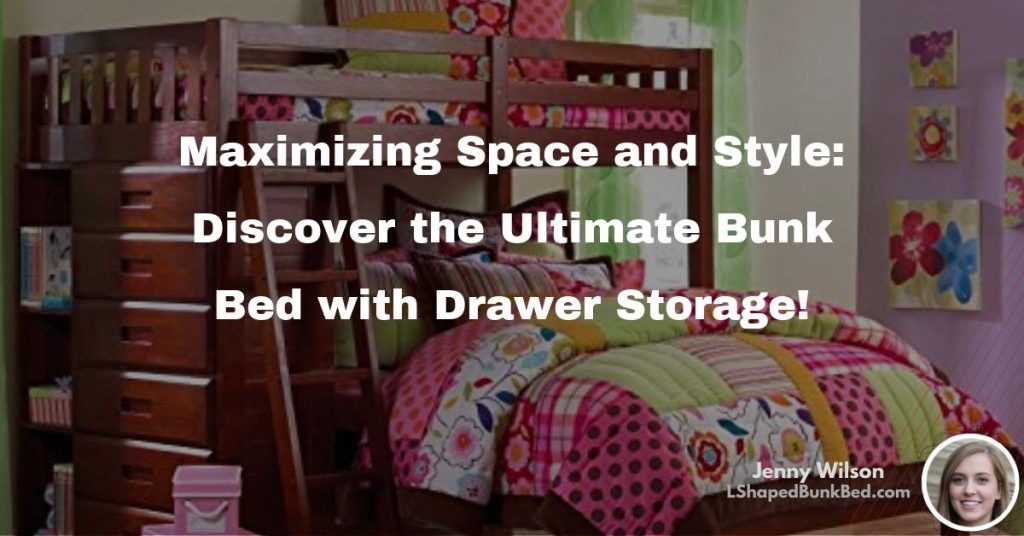
A standard bunk bed solves the sleeping problem, but not the storage problem. Drawer storage adds a second function under the lower bunk or along the side of the frame, which can help with clothes, bedding, toys, or seasonal items.
This layout is especially useful in rooms that cannot fit both a bunk bed and a separate dresser. In that case, the bed becomes part of the storage plan instead of competing with it.
- Good for rooms with limited closet space
- Useful for shared bedrooms that need a clearer layout
- Helpful when you want storage that stays out of sight
Room planning and measurements before you buy
Measurements should come before design preferences. A bunk bed with drawers may fit the room on paper but still feel cramped if drawer fronts cannot open fully or if the ladder blocks a walkway.
Start with the room footprint, then map the bed placement, door swings, closet doors, vents, and any windows. After that, check the ceiling height and compare it with the bed’s overall height and the recommended mattress thickness.
If you are comparing layouts for small rooms, a guide to [L-shaped bunk bed guide hub](https://lshapedbunkbed.com/best-l-shaped-beds/) may also help you think through wall placement and circulation.
| Measurement | Why it matters |
|---|---|
| Room length and width | Determines whether the frame fits without blocking movement |
| Ceiling height | Helps confirm safe space between the top bunk and the ceiling |
| Drawer clearance | Ensures drawers can open without hitting furniture or walls |
| Mattress thickness | Affects guardrail height and comfort |
| Bed footprint | Shows how much floor space remains for access and storage |
Safety checks that should come first
Safety should be the first filter, not the last. A bunk bed with drawer storage still needs the same structural checks as any other bunk bed, plus attention to how the drawers affect access around the frame.
Look for sturdy guardrails on the top bunk, a ladder or stair design that feels secure, and hardware that can be tightened properly during assembly. The bed should feel stable when used as intended, and any movement should be addressed by checking the assembly steps and fasteners.
Follow the manufacturer’s instructions for mattress size, mattress thickness, age recommendations, and weight limits. If the instructions specify a maximum mattress height, do not exceed it just because the mattress seems comfortable. That limit helps preserve guardrail effectiveness.
For more detailed planning, see [bunk bed safety rails](https://lshapedbunkbed.com/sleep-tight-and-safe-the-ultimate-guide-to-bunk-bed-safety-rails/) and [bunk bed weight limits](https://lshapedbunkbed.com/sleep-tight-dont-break-your-bed-the-ultimate-guide-to-bunk-bed-weight-limits/).
- Check that guardrails are firmly attached
- Confirm ladder or stairs are stable and easy to use
- Follow the manufacturer’s age, mattress, and weight guidance
- Re-tighten hardware after assembly and after the first few weeks of use
Drawer layouts and storage features to compare
Not all storage drawers are arranged the same way. Some bunk beds have two large drawers, while others use multiple smaller drawers or a combination of drawer and shelf space. The right setup depends on what you plan to store and how much room you have to open the drawers.
Large drawers are often better for bedding, blankets, or bulkier items. Smaller divided drawers can work better for clothing or toys. If the drawers sit on rolling glides or casters, check that they move smoothly on your floor type and that there is enough clearance to pull them out fully.
If you want a bed with more room under or around the sleeping area, compare it with options such as [full-size bunk beds with stairs](https://lshapedbunkbed.com/full-size-bunk-beds-with-stairs-measurements/) or a [twin over full bunk beds](https://lshapedbunkbed.com/twin-over-full-size-bunk-beds-guide/) layout.
| Drawer type | Best use case | Planning note |
|---|---|---|
| Two large underbed drawers | Bedding, blankets, seasonal storage | Needs enough front clearance |
| Multiple smaller drawers | Clothing, school supplies, toys | Can improve organization |
| Side-access drawers | Rooms with more side walkway space | Check wall and furniture clearance |
| Mixed drawers and shelves | Shared rooms with varied storage needs | Confirm what is enclosed and what remains open |
Materials, finish, and long-term maintenance
The frame material affects weight, appearance, and maintenance. Wood frames often feel more traditional and can blend into many room styles. Metal frames may be lighter and easier to move, but the overall build quality matters more than the material alone.
Whatever the finish, inspect the bed periodically for loose hardware, wear around ladder steps, and drawer tracks that stick or sag. Keep the drawer area clear of obstructions so the hardware is not forced open at an angle.
If the bunk bed will be used by older children or adults, it is worth reading [adults in bunk beds](https://lshapedbunkbed.com/adults-in-bunk-beds-practical-buying-room-planning-guide/) and [heavy-duty adult bunk beds](https://lshapedbunkbed.com/heavy-duty-bunk-beds-for-adults/) for planning considerations that go beyond a typical child’s room.
- Wipe tracks and drawer hardware regularly
- Check for chipped finish or exposed edges
- Tighten bolts after moving the bed
- Keep the area around drawers free of toys and loose items
How to choose between common configurations
A twin-over-twin bunk with drawers is usually the simplest choice for two children in a compact room. A twin-over-full setup gives the lower sleeper more space, but it usually takes more floor area and may make drawer access more important.
A loft bed with storage below can be a better fit when you need one sleeping surface and a work or storage zone underneath. If desk space matters, compare a [loft bed with desk below](https://lshapedbunkbed.com/loft-bed-with-desk-below-setup-guide/) or [full over desk loft bed](https://lshapedbunkbed.com/full-over-desk-loft-bed-buying-guide/).
For families with growing children, a layout that seems compact now may still need to accommodate larger mattresses or heavier use later. Plan for the room you have today, but do not ignore future size and weight needs.
When a bunk bed with drawers is the better choice
Choose this style when storage is limited, the room is narrow, and you want to reduce the need for a separate dresser. It is also practical when you want everyday items close to the bed but still out of sight.
When another layout may be better
If the room is very tight on walkway space, a bed with drawers may feel crowded. In that case, a loft bed, a bunk bed with stairs, or a simpler frame with underbed bins may be easier to live with.
Installation, placement, and daily use
Assembly quality affects safety and usability. Use the manufacturer’s instructions exactly, including the order of steps and any recommended tools. Do not substitute missing hardware or ignore small alignment issues, because drawer beds depend on a straight, level frame for the drawers to work properly.
Place the bed so drawers open into usable space rather than into a hallway, door swing, or closet path. If the bed sits against a wall, verify that the drawers still have enough room to open and that the ladder or stairs remain easy to use.
If you are still refining the room layout, it may help to review [top bunk mattress height](https://lshapedbunkbed.com/reaching-new-heights-the-ultimate-guide-to-mattress-height-for-top-bunk-sleepers/) and [safe bunk bed decorating ideas](https://lshapedbunkbed.com/sleeping-in-style-10-creative-decorating-ideas-for-bunk-beds/) so decorative choices do not interfere with safe access.
- Assemble on a level floor if possible
- Leave room to open drawers fully
- Avoid blocking guardrails with bulky bedding
- Check the bed after moving it to another room
Related Guides
Continue with loft bed with desk below, bunk bed safety rails, full over desk loft bed, full-size bunk beds with stairs.
FAQ
Is a bunk bed with drawer storage good for small bedrooms?
Yes, if the room has enough clearance for both the frame and the drawers to open. It is most effective when you are replacing a separate dresser or storage unit.
What is the most important safety rule for a bunk bed with drawers?
Follow the manufacturer’s instructions for assembly, mattress thickness, age guidance, and weight limits. Those details affect both stability and guardrail performance.
Do drawer bunk beds need more space than regular bunk beds?
Often yes, because the drawers need open space in front or to the side. Measure the drawer clearance before buying.
Should I choose wood or metal?
Either can work if the frame is well built. Focus first on stability, finish quality, and whether the design fits the room and storage needs.
Can adults use a bunk bed with drawer storage?
Sometimes, but only if the model is designed for the intended weight and use. Check the manufacturer’s weight limits and construction details carefully.