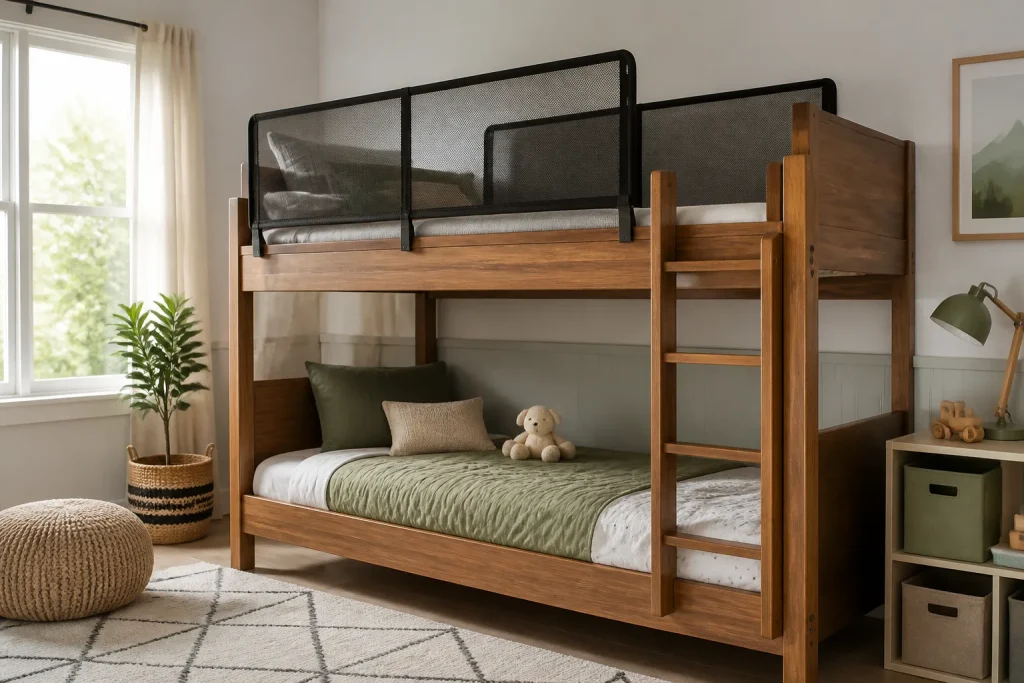
Sleep Tight and Safe: DIY Bunk Bed Safety Net Ideas You Need to Try!

Welcome to our blog post on DIY bunk bed safety net ideas! As parents, we all want our children to have a good night’s sleep and wake up feeling refreshed. However, when it comes to bunk beds, safety should always be the top priority. Bunk beds can be fun for kids but without proper precautions, they can also pose serious risks of falls and injuries.

That’s why in this article we’ll discuss the importance of safety nets for bunk beds and provide you with different types of DIY safety nets that you can try out at home. We’ll also give tips on how to install and maintain these nets properly so that your little ones stay safe while sleeping soundly.

So if you’re ready to learn more about keeping your kids safe in their bunk beds, read on!

1. Why Safety Nets are Important for Bunk Beds

Bunk beds can be a fun and practical addition to any home, especially if you have multiple children sharing a room or limited space. However, without proper safety measures in place, bunk beds can also pose serious risks to your child’s safety.

The most common danger associated with bunk beds is falling from the top bunk while sleeping or playing. This type of accident can result in serious injuries such as broken bones, concussions, and even death.

This is where safety nets come into play. A well-designed safety net will prevent your child from falling out of bed while they sleep or play on the top bunk. It acts as a barrier between them and the floor below, providing an extra layer of protection against accidents.

In addition to preventing falls, safety nets also offer peace of mind for parents who worry about their children’s safety when they’re not around. By installing a sturdy and reliable netting system on your bunk bed frame, you’ll be able to rest easy knowing that your kids are safe and secure while they sleep.

2. Different Types of DIY Safety Nets for Bunk Beds

There are several different types of materials that you can use to create a DIY safety net for your child’s bunk bed:

1) Nylon Netting: Nylon netting is one of the most popular materials used for creating DIY safety nets because it’s durable and affordable. You can purchase nylon netting at most hardware stores or online retailers like Amazon.

To create a nylon netting system for your bunk bed frame, start by measuring the length and width of each side rail on both bunks (top and bottom). Cut pieces of nylon netting according to these measurements plus an additional 6-8 inches on each side so that you have enough material to wrap around the rails securely.

Next, attach the netting to the rails using zip ties or heavy-duty staples. Make sure that the netting is pulled taut and secured tightly to prevent sagging or drooping.

2) Rope Netting: Rope netting is another popular option for creating DIY safety nets because it’s easy to work with and looks great when installed properly. You can purchase rope netting at most hardware stores or online retailers like Home Depot.

To create a rope netting system for your bunk bed frame, start by measuring the length and width of each side rail on both bunks (top and bottom). Cut pieces of rope according to these measurements plus an additional 6-8 inches on each side so that you have enough material to wrap around the rails securely.

Next, tie knots in the rope every few inches along each edge. Attach one end of each piece of rope to one side rail using a secure knot like a bowline or figure-eight knot. Then stretch out the other end across to its opposite rail, making sure it’s taut before tying off with another secure knot.

3) Mesh Fabric: Mesh fabric is another excellent choice for creating DIY safety nets because it’s lightweight, breathable, and easy to clean. You can purchase mesh fabric at most craft stores or online retailers like Joann Fabrics.

To create a mesh fabric system for your bunk bed frame, start by measuring the length and width of each side rail on both bunks (top and bottom). Cut pieces of mesh fabric according to these measurements plus an additional 6-8 inches on each side so that you have enough material to wrap around the rails securely.

Next, sew Velcro strips onto one edge of each piece of mesh fabric. Attach one strip onto one side rail using adhesive tape or glue dots then stretch out across until reaching its opposite rail where you will attach another strip securing them together firmly.

3. Tips for Installing and Maintaining Safety Nets

Once you’ve chosen the type of safety netting that works best for your bunk bed, it’s important to follow these tips to ensure proper installation and maintenance:

1) Secure the Netting Tightly: Make sure that the netting is pulled taut and secured tightly to prevent sagging or drooping. This will help keep your child safe while they sleep or play on the top bunk.

2) Check Regularly for Wear and Tear: Over time, safety nets can become worn or damaged from regular use. It’s important to check them regularly for signs of wear such as holes, tears, or fraying edges. If you notice any damage, replace the netting immediately.

3) Use Pillows or Stuffed Animals Around Edges: To discourage children from climbing over or under the netting, place pillows or stuffed animals around the edges of each bunk bed frame. This will create a physical barrier that makes it more difficult for kids to climb over.

4. Additional Ways to Ensure Safe Sleeping in Bunk Beds

In addition to installing safety nets on your child’s bunk bed frame, there are several other precautions you can take to ensure their safety while sleeping:

– Use Guardrails: Install guardrails on both sides of each bunk bed frame so that your child cannot roll off during sleep.

– Avoid Hanging Things From Bed Frames:Hanging things like clothes hangers, bags etc.,from beds can be dangerous because they could fall onto a sleeping child causing injury

5.Conclusion: The Importance of Prioritizing Safety When It Comes To Your Kids’ Sleep Environment.

When it comes down to ensuring our kids safety when they re asleep we should never compromise! DIYing a safety net for your child’s bunk bed is a great way to provide an extra layer of protection against accidents and injuries. By following the tips outlined in this post, you can create a sturdy and reliable netting system that will keep your kids safe while they sleep or play on the top bunk.

Remember, it’s important to prioritize safety when it comes to your children’s sleep environment. Whether you’re installing guardrails, using pillows or stuffed animals around the edges of each bunk bed frame, or creating DIY safety nets from nylon netting, rope netting, or mesh fabric – taking these precautions will help ensure that your child stays safe and secure while they rest.

Frequently Asked Questions

1. Why are safety nets important for bunk beds?

Bunk beds can be dangerous without proper safety measures in place. Children can fall from the top bunk or get stuck between the bed and the wall, resulting in serious injuries. Safety nets provide a barrier that prevents falls and keeps children safe while they sleep.

2. What materials can be used to make DIY safety nets for bunk beds?

  • Nylon netting
  • Rope or twine
  • Cable ties or zip ties
  • Eye bolts or hooks

3. How do I create a DIY safety net for my child’s bunk bed?

The process will vary depending on which type of net you choose to make, but generally involves attaching eye bolts or hooks to the bed frame and securing the netting with rope, cable ties, or zip ties. It’s important to follow step-by-step instructions carefully and ensure that the netting is tightly secured.

4. How do I install and maintain a safety net properly?

To install a safety net correctly, make sure it is securely fastened to the bed frame using strong materials like rope or cable ties. Check regularly for any signs of wear and tear such as holes in the fabric or frayed edges, which could compromise its effectiveness over time.

To prevent children from climbing over or under the netting, consider placing pillows around the edges of their sleeping area so they cannot access it easily.

5.What other precautions should parents take when their kids sleep in bunk beds?

In addition to installing a safety net on your child’s bunk bed, you should also consider using guardrails on the top bunk and avoiding hanging anything from the bed frame that could pose a hazard. It’s important to prioritize safety when it comes to your child’s sleep environment.

Leave a Reply

Your email address will not be published. Required fields are marked *