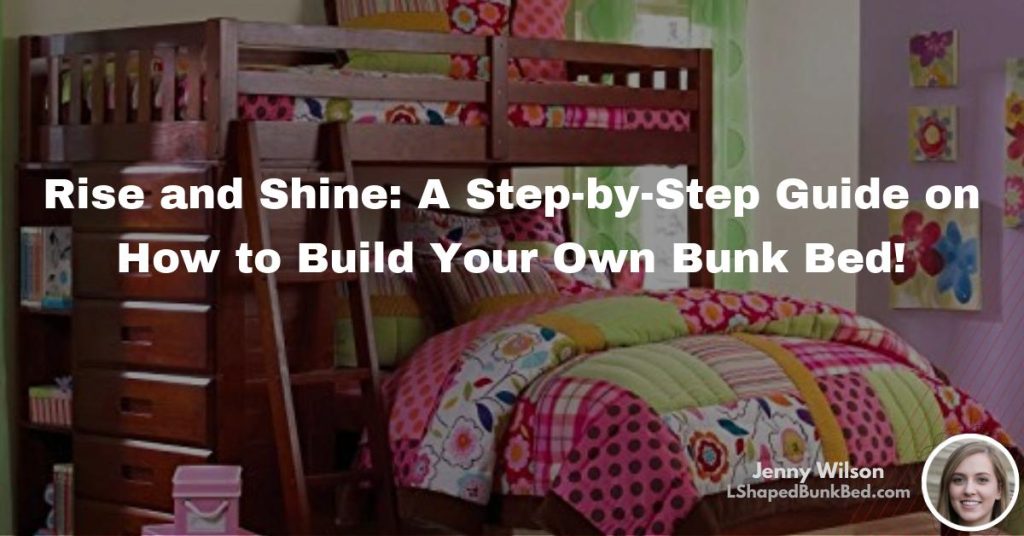
Are you tired of your kids fighting over who gets the top bunk? Or maybe you’re looking to save some space in a small bedroom. Whatever your reason may be, building your own bunk bed is a fun and rewarding project that can also save you money. But where do you start? Fear not, because we’ve got you covered with our step-by-step guide on how to build your own bunk bed! From tools and materials needed to safety guidelines when using a bunk bed, we’ll walk you through everything you need to know. So grab your hammer and let’s get started!
Table of Contents
Tools and Materials Needed for Building a Bunk Bed
Building your own bunk bed can be a fun and rewarding project, but before you get started, it’s important to have the right tools and materials. Here are some essential items you’ll need:
Tools:
- Tape measure
- Saw (circular or miter)
- Jigsaw
- Drill with bits of various sizes
- Screwdriver (manual or electric)
- Sandpaper (various grits)
- Pencil or marker for marking measurements on wood
Materials:
When selecting materials for your bunk bed, it’s important to choose sturdy and safe options that will support the weight of those sleeping in the beds. Here are some recommended materials:
- Lumber: Choose high-quality lumber such as pine, oak, or maple. Avoid using pressure-treated wood as it may contain harmful chemicals.Bolts and screws: Use heavy-duty bolts and screws that are long enough to securely hold each piece together.Nuts and washers: These will help secure bolts in place.Ladder rungs: If you plan on adding a ladder to your bunk bed design, use thick dowels or solid pieces of wood for added stability.Mattresses: Select mattresses that fit snugly into the frame without any gaps around the edges. It’s also important to choose mattresses that are appropriate for each sleeper’s weight range.
Planning Your Bunk Bed Design
Before starting construction on your bunk bed, it’s important to choose a design that suits your needs and the space available in your room. Here are some tips for planning your bunk bed design:
Choosing the Right Design:
There are many different types of bunk beds to choose from, including twin-over-twin, twin-over-full, full-over-full, and loft-style beds. Consider how many people will be sleeping in the bed and what their ages are when selecting a design.
If you have limited floor space, consider using a loft-style bed with a desk or storage area underneath. This can help maximize space while still providing ample sleeping accommodations.
Measuring Your Room:
Before starting construction on your bunk bed, measure the dimensions of your room to ensure that there is enough space for the finished product. Be sure to take into account any furniture or other items that may already be in the room.
It’s also important to measure ceiling height to ensure that there is enough clearance between the top bunk and ceiling.
Step-by-Step Guide on How to Build Your Own Bunk Bed
Now that you’ve selected a design and gathered all necessary tools and materials, it’s time to start building! Follow these step-by-step instructions for constructing each section of your bunk bed frame:
Building The Frame:
- Cut lumber pieces according to measurements.
- Sand down rough edges with sandpaper.
- Create pilot holes where screws will go.Screw together pieces using heavy-duty bolts/screws/nuts/washers as needed.
Add Ladder Rungs (Optional):
- Determine placement of ladder rungs based on user height/comfort level/li>
- Create pilot holes where dowels will go.
- Insert dowels into holes and secure with wood glue or screws.
Assemble All Parts Together:
- Screw together the top bunk frame to the bottom bunk frame using heavy-duty bolts/screws/nuts/washers as needed.
- Add ladder to bed, securing it firmly in place.
Adding Finishing Touches to Your Bunk Bed
Once your bunk bed is assembled, you can add some finishing touches to make it truly unique! Here are some ideas for customizing your bunk bed:
Painting:
Use paint or stain to give your bunk bed a fresh new look. Consider using bright colors or patterns that match the room’s decor.
Decals:
Add decals of favorite characters, sports teams, or other designs for added personality.
Storage Solutions:
Consider adding shelves or drawers underneath the bottom bunk for extra storage space.
Safety Guidelines When Using a Bunk Bed
It’s important to follow safety guidelines when using a bunk bed in order to prevent accidents and injuries. Here are some essential safety tips:
- Select appropriate mattresses based on user weight range/li>
- Avoid placing children under six years old on top bunks/li>
- Avoid jumping on beds/li>
- Maintain proper ladder placement and ensure that it is securely attached/li>
- Avoid hanging anything from upper bunks such as ropes, cords etc./li>
Conclusion
Building your own bunk bed can be a fun and rewarding project that provides both sleeping accommodations and additional storage space. By following these step-by-step instructions and safety guidelines, you can create a sturdy and safe bunk bed that will last for years to come. Remember to measure your room carefully, choose high-quality materials, and add some personal touches to make it truly unique!
Frequently Asked Questions
What tools and materials do I need to build a bunk bed?
To build a sturdy and safe bunk bed, you will need the following essential tools:
- Drill
- Saw
- Tape measure
- Screwdriver set
- Wood glue
- Sandpaper (medium grit)
You will also require the following materials:
- Bunk Bed Frame Materials:
- 4×4 lumber for legs (8 feet total)2×6 lumber for frame rails (10 feet total)2×4 lumber for mattress support slats (12 feet total)Miscellaneous Materials:
- Lumber: Choose high-quality lumber such as pine, oak, or maple. Avoid using pressure-treated wood as it may contain harmful chemicals.Bolts and screws: Use heavy-duty bolts and screws that are long enough to securely hold each piece together.Nuts and washers: These will help secure bolts in place.Ladder rungs: If you plan on adding a ladder to your bunk bed design, use thick dowels or solid pieces of wood for added stability.Mattresses: Select mattresses that fit snugly into the frame without any gaps around the edges. It’s also important to choose mattresses that are appropriate for each sleeper’s weight range.
- L-brackets with screws/li
- Drywall screws/li
- Carpenter’s wood filler/li
How do I choose the right design that suits my needs and space available?
The first step in choosing the right design is to consider your specific needs. Do you want a bunk bed that can accommodate three people or one with extra storage? Once you have determined your requirements, assess how much space is available in your room. This will help determine whether you should opt for an L-shaped or traditional stacked design.
I am new to woodworking; can I still build my own bunk bed?
Absolutely! Our step-by-step guide provides detailed instructions on how to construct each section of the bunk bed frame. Additionally, we provide safety precautions throughout the process so that even beginners can safely complete this project.
What are some safety guidelines when using a bunk bed?
To ensure the safety of all users, we recommend following these essential safety guidelines:
- Do not allow children under six years old to use the top bunk
- The ladder should be securely attached and positioned on a flat surface
- The mattress thickness should not exceed six inches for the top bunk
- The weight limit for each bunk is typically around 200 pounds; do not exceed this limit
Can I customize my bunk bed with paint or other decorations?
Absolutely! We encourage you to get creative and add your own personal touch. You can paint it in your favorite color, add decals or even attach curtains for privacy.
Are there any storage solutions that can be added to a bunk bed?
Yes! Adding shelves or drawers underneath the bottom bunk is an excellent way to maximize space while keeping things organized. You can also opt for built-in bookshelves on either side of the frame.