Disclosure: This site may earn a commission if you buy through links on this page or elsewhere on the site. Always check the manufacturer instructions and current safety guidance before buying, building, modifying, or using bunk beds, loft beds, mattresses, ladders, stairs, guardrails, or room accessories.
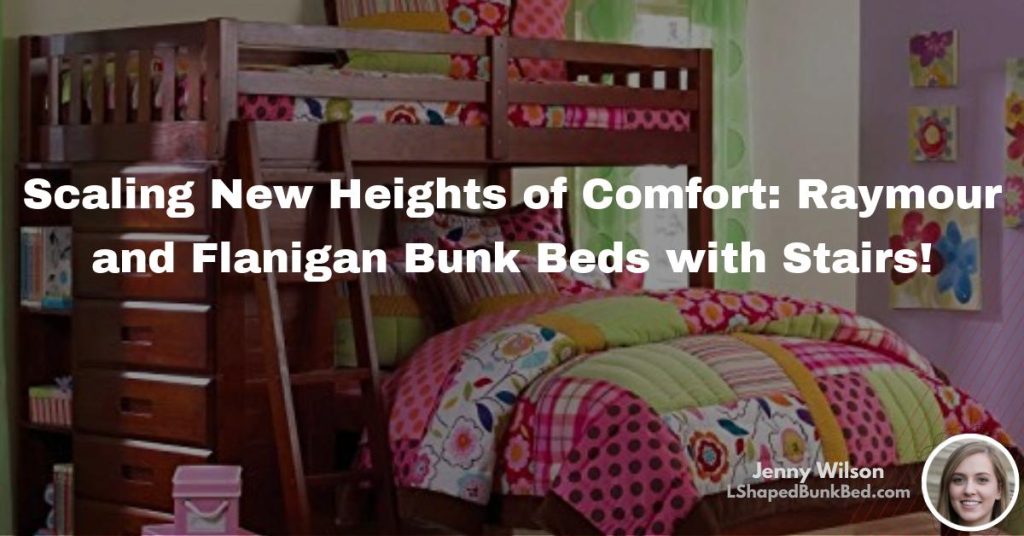
Bunk beds with stairs can be a practical choice when you need to save floor space and make the top bunk easier to reach. Before buying, it helps to think about room dimensions, ceiling height, mattress thickness, guardrails, and how the staircase affects traffic flow in the bedroom.
If you are comparing Raymour and Flanigan bunk beds with stairs, focus first on fit and safety rather than style alone. A well-planned bunk bed setup should leave enough clearance for sitting, climbing, bedding, and daily use, while still following the manufacturer’s instructions for mattress size, weight limits, and assembly.
Table of Contents
Quick Answer
Raymour and Flanigan bunk beds with stairs can be a good option for shared bedrooms or rooms that need storage, but the best choice depends on measurements, safety features, mattress compatibility, and how much space the staircase requires.
| Question | Practical answer |
|---|---|
| Are bunk beds with stairs safer than ladder bunk beds? | They can be easier to climb, but safety still depends on guardrails, sturdy construction, correct assembly, and following the manufacturer’s age and weight guidelines. |
| How much room do I need? | Measure the bed footprint, staircase side clearance, ceiling height, and space needed to walk around the bed comfortably. |
| What mattress should I use? | Use only the mattress size and maximum thickness listed by the manufacturer so the guardrails remain effective. |
| Do stairs take up extra space? | Yes. Staircases usually extend the bed’s footprint, so check the full layout before buying. |
| Can adults use bunk beds with stairs? | Some models are designed for heavier use, but you should confirm the weight limit and intended user age before purchase. |
How to plan for a bunk bed with stairs in a real bedroom
The first step is measuring the room from wall to wall, including baseboards, doors, windows, vents, and closet openings. A bunk bed with stairs usually needs more usable floor space than a ladder model because the staircase adds width or depth to the footprint.
Also check ceiling height. The top bunk should leave enough room for the sleeper to sit up without hitting the ceiling, and there should be comfortable clearance above the top mattress. If the room has a ceiling fan, make sure the bed will not be placed within reach of the blades.
| Planning check | What to measure or confirm |
|---|---|
| Room footprint | Length, width, and the space the staircase adds to the layout |
| Ceiling height | Distance from floor to ceiling and clearance above the top bunk |
| Door swing | Whether doors can open fully without hitting the bed or stairs |
| Window placement | Avoid blocking windows, heat sources, or emergency exits |
| Walking space | Leave room to move around the bed and access storage |
Why stairs can be a practical alternative to a ladder
Stairs are often preferred in bedrooms where younger children use the top bunk or where access needs to feel more stable. The steps can make climbing feel less awkward than a vertical ladder, especially if the bed is used every day.
That said, stairs are not automatically safer in every situation. The design still needs secure handholds, good step depth, and solid assembly. A stair model should never be chosen as a substitute for following age recommendations, using guardrails, or placing the bed on a stable floor surface.
- Check whether the staircase is attached to one side only or can be positioned differently.
- Look for steps that are wide enough for comfortable foot placement.
- Confirm that the stairs do not block closet doors, dressers, or bedside access.
Important safety checks before you buy
For any bunk bed, safety should start with the product specifications. Review the manufacturer’s instructions for age recommendations, maximum mattress thickness, weight limits, and assembly steps. These details matter because even a well-made bed can become unsafe if it is used outside its intended limits.
Make sure the top bunk has guardrails on the sides and that the mattress height still leaves the rail effective. If the model includes storage drawers or shelves, confirm that those parts do not interfere with climbing, bedding, or structural stability.
Watch for these common issues
Loose fasteners, missing hardware, and uneven assembly can create wobble over time. After setup, recheck bolts and connectors periodically, especially if the bed is moved or used heavily. It is also wise to keep the area around the stairs clear of toys, cords, and other tripping hazards.
Storage features that may add everyday value
One reason families choose bunk beds with stairs is the extra storage opportunity. Stair drawers, side shelves, or under-bed compartments can help reduce clutter in smaller bedrooms. These features are useful when the room also needs space for clothes, books, bedding, or toys.
Before relying on storage, think about what will actually be used most often. Deep drawers are useful for blankets or seasonal items, while open shelves may work better for books or small bins. Just remember that built-in storage should not make the bed harder to access or block the staircase.
- Drawers can help replace a separate dresser in compact rooms.
- Open shelves are convenient but may collect clutter if not organized.
- Storage features should not reduce structural stability or access to the top bunk.
Choosing the right size and configuration
Bunk beds come in several layouts, and the right one depends on who will use the room. Twin over twin is common for children or smaller bedrooms, while twin over full can offer more sleeping space on the lower bunk. Some households also look at larger configurations for teens or adults, but those models should be checked carefully against weight ratings and room size.
If the bedroom is long and narrow, a stair model can change how furniture fits along the walls. Measure before buying so the bed does not crowd dressers, desks, or traffic paths. For related layout planning, you may also want to compare options in the site’s guides to twin over full bunk beds and full size bunk beds with stairs.
- Twin over twin is often the most space-efficient choice.
- Twin over full can give the lower sleeper more room.
- Larger models need closer attention to ceiling clearance and weight limits.
| Configuration | Best for |
|---|---|
| Twin over twin | Shared kids’ rooms and compact spaces |
| Twin over full | Rooms where the lower bunk needs more sleeping width |
| Stair bunk with storage | Bedrooms that need fewer separate storage pieces |
| Heavier-use models | Situations where the manufacturer explicitly lists higher weight capacity |
Mattress, bedding, and clearance details to check
Mattress fit matters as much as the frame itself. Use the mattress size recommended by the manufacturer, and do not exceed the listed thickness for the top bunk. If the mattress is too tall, the guardrail may not provide enough protection.
Bedding should also be simple and secure. Oversized comforters can hang over the edge and add clutter to the stairs, while very bulky pillows can make the top bunk feel cramped. A neat setup improves both comfort and day-to-day safety.
- Confirm mattress thickness before buying bedding.
- Leave enough room for the sleeper to sit upright on the top bunk.
- Avoid placing extra items on the top bunk that can fall onto the stairs.
When Raymour and Flanigan bunk beds with stairs make sense
This type of bed can work well when you want a combination of sleeping space, easier access, and built-in storage in one piece of furniture. It is especially useful in rooms where a separate dresser or shelving unit would crowd the floor.
The key is to compare the product details carefully rather than assuming all stair bunk beds work the same way. Review the frame material, dimensions, mattress requirements, and age guidance for the exact model you are considering. If you are researching broader room setups, the guides on bunk bed safety rails, top bunk mattress height, and bunk bed weight limits can also help you make a more informed decision.
Related Guides
Continue with full-size bunk beds with stairs, heavy-duty adult bunk beds, adults in bunk beds, twin over full bunk beds.
FAQ
Are bunk beds with stairs better for younger children?
They can be easier to climb than ladders, but the top bunk still should only be used by children who meet the manufacturer’s age guidance and can safely follow the bed rules.
Do stair bunk beds need more room than ladder bunk beds?
Usually yes. The stairs add to the footprint, so you should measure the full bed plus the stair side before buying.
What is the most important safety rule for a top bunk?
Use the correct mattress thickness, install guardrails properly, and follow the manufacturer’s weight and age limits.
Can a bunk bed with stairs replace a dresser?
Sometimes, if the model includes drawers or shelves. Check the storage size carefully and make sure it still fits the bedroom layout.
Should I assemble it myself or hire help?
Either is possible, but the frame must be assembled exactly as instructed. If the bed is large or heavy, extra help can make setup easier and reduce mistakes.