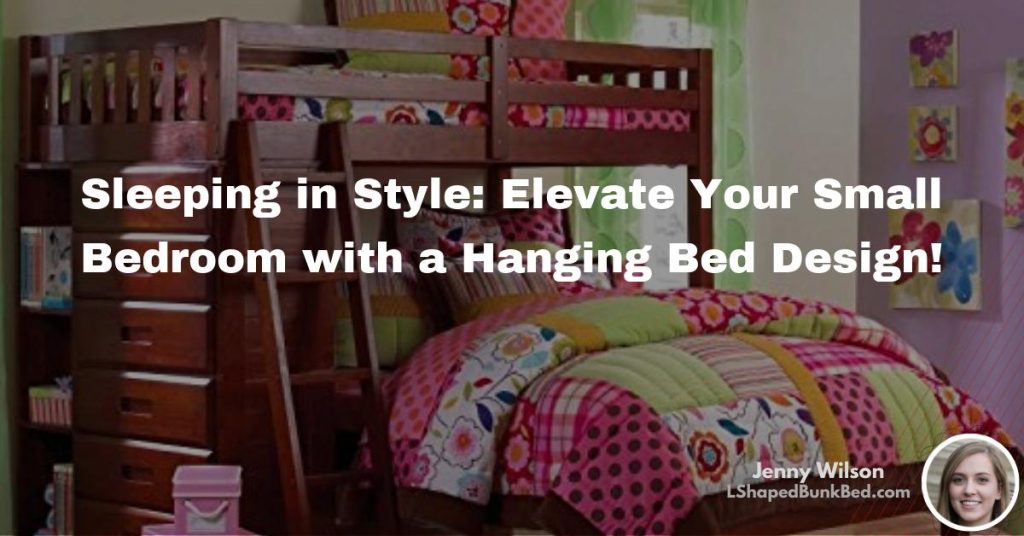
Sleeping in Style: Elevate Your Small Bedroom with a Hanging Bed Design!
Are you tired of feeling cramped in your small bedroom? Do you want to add some unique style and relaxation to your sleeping space? Look no further than a hanging bed design! Not only do they save space, but they also provide a stylish and relaxing atmosphere. In this blog post, we will explore the benefits of hanging beds, types to choose from, factors to consider before installation, DIY vs professional installation options, and styling tips for your room.
Table of Contents
Benefits of Hanging Beds: Why You Should Consider One for Your Small Bedroom
If you have limited floor space in your bedroom or just want something different than a traditional bed frame, then a hanging bed may be the perfect solution. Here are some reasons why:
Space-saving solution
- A hanging bed frees up valuable floor space that can be used for other furniture or storage solutions.
- You can even install one above another piece of furniture like a desk or dresser.
Unique and stylish design
- Hanging beds come in various styles that range from modern to rustic designs.
- Their uniqueness adds character and charm to any room.
Provides a sense of relaxation
- The gentle swaying motion provides an added level of comfort that promotes relaxation and better sleep quality.
- Hanging beds also create an inviting atmosphere that makes it easier to unwind after a long day.
Types of Hanging Beds to Choose From:
No two bedrooms are alike which is why there are several types of hanging beds available on the market today. Here are three popular choices:
Hammock-style beds
These are the most common type of hanging bed and resemble a traditional hammock. They are typically made from cotton or polyester fabric that is suspended between two points.
Suspended platform beds
This style of hanging bed features a solid base that is suspended by ropes or chains from the ceiling. The base can be made from wood, metal, or other materials.
Swing-style beds
A swing-style hanging bed hangs from four points on the ceiling and has a more stable motion than hammock-style beds. These types of beds often have a backrest for added comfort.
Factors to Consider Before Installing a Hanging Bed:
Before you install your new hanging bed, there are several factors to consider:
Ceiling height and weight capacity
- The height of your ceiling will determine how high you can hang your bed.
- You also need to make sure that your ceiling can support the weight of both the bed and its occupants.
Location in the room
- The location should allow for easy access in and out of the bed as well as provide enough clearance around it so that it doesn’t interfere with other furniture or decor elements in your room.
Safety precautions
- You must ensure proper installation techniques to avoid accidents like falling off while sleeping.
DIY vs Professional Installation: Which is Right for You?
If you’re handy with tools, then DIY installation may be an option for you; however, if you’re not confident in your abilities, hiring professionals might be best. Here are some pros and cons of each option:
DIY Installation
- Pros: Saves money, sense of accomplishment, and customization options.
- Cons: Time-consuming, requires some level of expertise with tools and hardware, safety concerns if not done correctly.
Professional Installation
- Pros: Professional installation guarantees proper setup for optimal safety.
- You don’t have to worry about the technicalities as they will take care of everything from start to finish.
- Their experience can help you make better decisions on design elements that suit your room style.
Styling Your Room Around a Hanging Bed:
A hanging bed can be the centerpiece in any bedroom; here are some tips on how to style your room around it:
Choosing complementary decor elements
- Select bedding and pillows that complement the color scheme or pattern of your hanging bed.

Maximizing storage space
- Hanging beds provide ample space underneath them for additional storage solutions like shelves or baskets.
Creating an overall cohesive look
Your hanging bed should fit seamlessly into the rest of your room’s decor; choose pieces that complement its style rather than clash with it.
Conclusion
A hanging bed is a unique and stylish way to elevate your small bedroom’s design while providing relaxation and saving space. When choosing one, consider the type of hanging bed that best suits your needs, location in the room, ceiling height and weight capacity, safety precautions, DIY vs professional installation options, and styling tips for your room. With proper installation techniques and complementary decor elements, you can create an overall cohesive look that will make your bedroom feel like a peaceful retreat.
Frequently Asked Questions
1. What are the benefits of a hanging bed?
A hanging bed is a great space-saving solution for small bedrooms, as it frees up floor space and creates an open feel in the room. Additionally, its unique and stylish design adds visual interest to your bedroom while providing a sense of relaxation.
2. What types of hanging beds can I choose from?
- Hammock-style beds
- Suspended platform beds
- Swing-style beds
3. What factors should I consider before installing a hanging bed?
You should consider the ceiling height and weight capacity, as well as the location in the room to ensure that it doesn’t obstruct any walkways or furniture placement. Safety precautions such as using sturdy hardware and checking weight limits are also important.
4. Should I install my hanging bed myself or hire a professional?
The decision between DIY installation versus hiring a professional depends on your level of experience with home improvement projects and comfort with working at heights. Both options have their pros and cons, so weigh them carefully before making your choice.
5. How can I style my room around a hanging bed?
To create an overall cohesive look, you can choose complementary decor elements such as bedding, curtains, rugs, and wall art that match or complement the color scheme of your hanging bed. Maximizing storage space is also key in small bedrooms – consider incorporating shelves or under-bed storage solutions into your design plan.