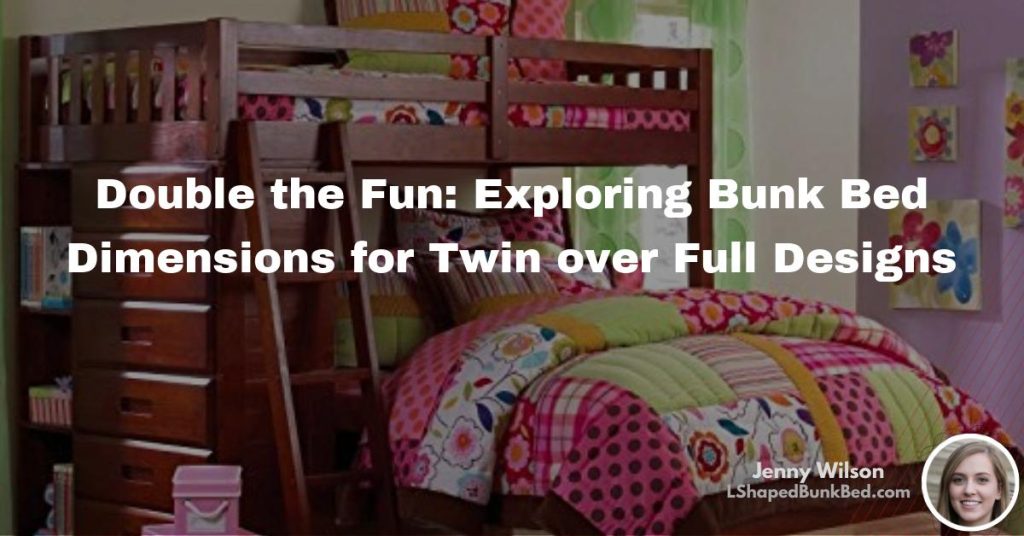
Are you looking for a fun and space-saving solution for your kids’ bedroom? Look no further than the twin over full bunk bed design! Not only does it provide ample sleeping space, but it also adds an element of adventure to any room. But before you go out and buy one, there are some important dimensions to consider. In this blog post, we’ll explore everything from mattress sizes to overall room space considerations. Plus, we’ll cover safety measures and materials used in making these beds. And if you’re feeling extra creative, we even have ideas for customizing your own twin over full bunk bed design. So buckle up and get ready to double the fun with our ultimate guide to exploring bunk bed dimensions!
Double the Fun: Exploring Bunk Bed Dimensions for Twin over Full Designs
Table of Contents
1. Understanding the Twin over Full Bunk Bed Design
Bunk beds have been around for centuries, and they continue to be a popular choice among families with children. A twin over full bunk bed is a type of bunk bed that features a twin-sized mattress on top and a full-sized mattress on the bottom.
The benefits of using this type of bunk bed are numerous. First, it saves space in your home by allowing two people to sleep in one area instead of taking up two separate rooms. Second, it’s perfect for siblings who want to share a room but still have their own sleeping space.
2. Dimensions to Consider When Choosing a Twin over Full Bunk Bed
When choosing a twin over full bunk bed, there are several dimensions you need to consider. The standard dimensions for twin mattresses are 39 inches wide by 75 inches long, while full mattresses measure 54 inches wide by 75 inches long.
Overall size considerations based on room space should also be taken into account when selecting your bunk bed design. You’ll want to make sure that the overall height and width will fit comfortably within your available space.
3. Safety Measures to Keep in Mind with Twin over Full Bunk Beds
Safety is always paramount when it comes to any piece of furniture designed for children or adults alike, especially when it comes down from an elevated position like top bunks!
Recommended safety guidelines include ensuring that all guardrails are securely attached and at least five inches above the top surface of the mattress; making sure that ladders or stairs leading up to the top bunk are stable and secure; avoiding placing any heavy objects near or underneath the bottom bunk; not allowing children under six years old onto upper bunks; keeping headboards and footboards free of any gaps that could trap a child’s head; and ensuring the bunk bed is properly assembled according to manufacturer instructions.
4. Materials Used in Making Twin Over Full Bunk Beds
Twin over full bunk beds can be made from various materials, including wood, metal or plastic. Each material has its own pros and cons.
Wooden bunk beds are sturdy, durable, and come in a variety of finishes to match your decor. They’re also relatively easy to repair if they become damaged over time. However, wooden bunks may require more maintenance than other materials as they can scratch or dent easily.
Metal bunk beds are lightweight yet strong enough to support two people safely. They’re also very low-maintenance since they don’t need painting or staining like wooden bunks do! The downside is that metal frames may squeak with movement during sleep which might disturb others sleeping on the same bed.
Plastic bunk beds are often cheaper than their wooden or metal counterparts but tend not to last as long due to being less sturdy overall. Plastic bunks can be great for younger children who aren’t likely to put too much wear-and-tear on them though!
5. Customizing Your Own Twin Over Full Bunk Bed Design
Customizing your own twin over full bunk bed design allows you the freedom of personalization based on your preferences and needs such as storage options underneath the bottom mattress area (like drawers), built-in desks for homework space or even bookshelves for bedtime reading!
Other ideas include adding extra safety features like additional guardrails around both top & bottom mattresses areas – this will help prevent falls when kids move around while asleep at night-time hours! You could also consider adding decorative elements such as painted designs onto each side panel so it matches perfectly with room decor theme.
Conclusion:
A twin over full bunk bed is a great option for families with children who want to save space in their home. When choosing a twin over full bunk bed, it’s important to consider the dimensions of both mattresses and the overall size of your room. Safety should always be top-of-mind when using any type of elevated sleeping surface, so make sure you follow recommended safety guidelines.
Materials used in making twin over full bunk beds vary widely, each having its own pros and cons. Customizing your own design can give you more freedom and personalization options based on your preferences and needs.
Whatever your choice may be, remember that this piece of furniture will likely see many years of use from multiple family members – so choose wisely!
Frequently Asked Questions
What is a twin over full bunk bed?
A twin over full bunk bed is a type of bunk bed that features a twin-sized mattress on the top and a full-sized mattress on the bottom. This design allows for two people to sleep in the same amount of space as one person would typically occupy.
What are the benefits of using a twin over full bunk bed?
- Saves space in smaller rooms
- Allows for multiple people to sleep comfortably in one room
- Gives children an opportunity to bond with siblings or friends during sleepovers
What are the standard dimensions for twin and full mattresses?
The standard dimensions for a twin mattress are approximately 38 inches wide by 75 inches long, while those for a full mattress are around 54 inches wide by 75 inches long.
How do I determine if my room has enough space for a twin over full bunk bed?
You should measure your room’s available floor area and ceiling height before purchasing any furniture. Keep in mind that you will need extra clearance above the top bunk to prevent injuries from sitting up too quickly.
Are there any safety measures I should keep in mind when using this type of bunk bed?
- The top bunk should have guardrails on all sides to prevent falls while sleeping or playing
- No jumping or roughhousing allowed on either level
- The ladder must be securely attached at all times
- Mattresses should fit snugly within their frames without gaps where children could get stuck
What materials are commonly used in making twin over full bunk beds?
The most common materials used for constructing these types of bunk beds include wood, metal, and plastic. Each material has its own pros and cons, so it’s important to consider your needs before making a decision.
Can I customize my own twin over full bunk bed design?
Absolutely! There are many ways to customize your own twin over full bunk bed design based on personal preferences and needs. Some ideas include adding storage compartments or built-in desks underneath the bottom bunk or choosing unique colors or patterns for the frame.