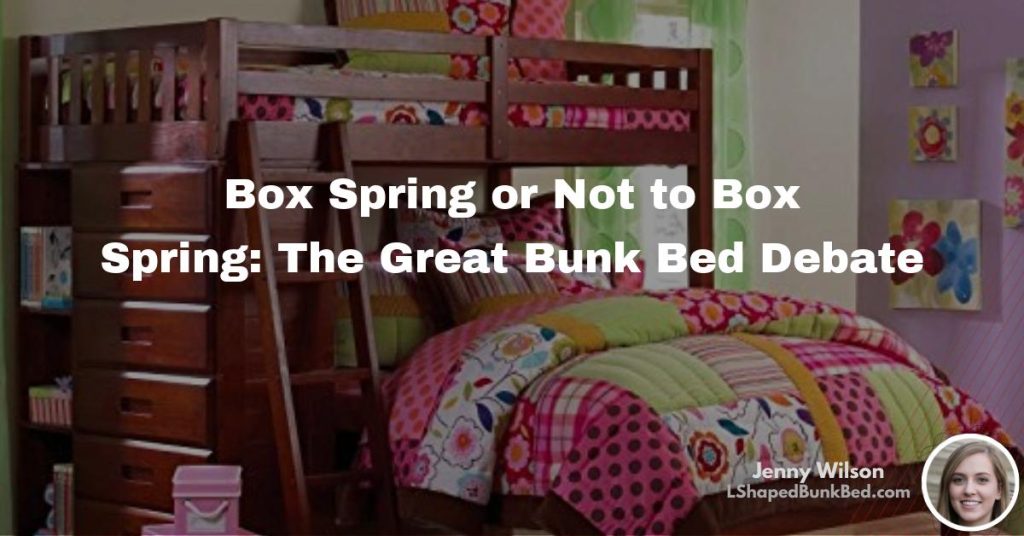
Are you in the market for a bunk bed but unsure whether or not to include a box spring? Well, fear not my sleepy friends because we are here to help settle the great debate once and for all. In this blog post, we will explore everything you need to know about box springs and their alternatives when it comes to bunk beds. From defining what exactly a box spring is and its pros and cons, to exploring creative solutions for support without traditional box springs. We’ll also dive into factors that should be considered when choosing between using or not using a box spring such as mattress type compatibility and height considerations. And of course, we can’t forget maintenance tips for your bunk bed frame! So sit back, relax (preferably on your current comfortable sleeping arrangement), grab some popcorn (or maybe just some chamomile tea) and let’s get started with the ultimate guide: Box Spring or Not to Box Spring – The Great Bunk Bed Debate!
Table of Contents
Box Spring or Not to Box Spring: The Great Bunk Bed Debate
1. What is a box spring?
A box spring is a type of bed base that sits underneath the mattress and provides support for it. It typically consists of a wooden frame with springs inside, covered in fabric.
The function of a box spring is to absorb shock and reduce wear on the mattress, as well as provide additional height to the bed. However, not all bunk beds require a box spring.
Pros:
- Provides extra height to your bed
- Absorbs shock and reduces wear on your mattress
- Makes getting in and out of bed easier due to added height
Cons:
- Takes up more space under the bed than other alternatives
- Springs can break over time leading to an uneven sleeping surface
- Cleaning can be difficult since it cannot be disassembled easily
2. Alternatives to Box Springs for Bunk Beds
If you’re looking for an alternative option instead of using traditional box springs, there are several options available that offer similar benefits without taking up as much space or requiring as much maintenance.
a) Platform beds as an alternative:
A platform bed consists of a solid base made from wood slats or plywood which supports your mattress directly without any need for additional foundation like box-spring. This makes them ideal choices if you want something simple yet effective at providing support while still maintaining minimalistic design aesthetic.
b) Other creative solutions for providing support in bunk beds without the use of traditional box springs:
Other creative solutions include using bunkie boards, which are thin pieces of plywood or particleboard that provide support for your mattress. These can be placed directly on the bed frame or on top of slats.
3. Factors to Consider When Choosing Between Box Spring or Not
When deciding whether to use a box spring with your bunk bed, there are several factors you should consider:
a) Mattress type and compatibility with different types of bed frames:
The type of mattress you have will determine whether it needs a box spring or not. Some mattresses require additional support while others do not. For example, memory foam mattresses typically do not need a box spring since they already offer sufficient support.
b) Height considerations when choosing between using or not using a box spring:
If you’re looking for extra height in your bunk bed, then a box spring may be the way to go. However, if space is limited under the bed and you don’t want something taking up too much room, then alternatives like platform beds might be better suited for your needs.
4. Maintenance and Care Tips for Bunk Bed Frames
Maintaining your bunk bed frame is important to ensure its longevity and safety while sleeping on it.
a) Cleaning tips for maintaining your bunk bed frame:
- Clean regularly with mild soap and water
- Avoid harsh chemicals that could damage the finish
- Dust frequently to prevent buildup of dust mites
b) How often should you replace your mattress, platform, or other supports?
You should replace these items every 7-10 years to ensure optimal support and comfort while sleeping. However, if you notice any signs of wear or damage before then, it’s important to replace them sooner.
5. Conclusion: To Box Spring or Not to Box Spring? That is the Question.
When it comes down to choosing between a box spring or not for your bunk bed, there are several factors that should be considered including mattress type and compatibility with different types of bed frames as well as height considerations when deciding which option may be best suited for different sleeping needs.
If you’re looking for something simple yet effective at providing support without taking up too much space under the bed, platform beds might be better suited for your needs than traditional box springs. Ultimately, the decision will depend on individual preferences and what works best in each unique situation.
FAQs
1. Do all bunk beds require a box spring?
No, not all bunk beds require a box spring. It depends on the type of bed frame and mattress you have.
2. What are some alternatives to using traditional box springs for bunk beds?
Some alternatives include platform beds, bunkie boards, or plywood/particleboard placed directly on the bed frame or slats.
3. How often should I replace my mattress and other supports?
You should replace your mattress and other supports every 7-10 years to ensure optimal support and comfort while sleeping.
4. Can I clean my box spring easily?
Cleaning a box spring can be difficult since it cannot be disassembled easily. It’s best to clean it regularly with mild soap and water and avoid harsh chemicals that could damage the finish.
5. Will using a box spring make getting in and out of bed easier due to added height?
Yes, using a box spring will provide extra height to your bed which can make getting in and out of bed easier for some people.
6. Are there any cons to using traditional box springs for bunk beds?
- Takes up more space under the bed than other alternatives
- Springs can break over time leading to an uneven sleeping surface
- Cleaning can be difficult since it cannot be disassembled easily
Note:
The decision whether or not to use a box spring ultimately depends on individual preferences based on factors such as mattress type, compatibility with different types of bed frames, height considerations, and personal sleeping needs.